
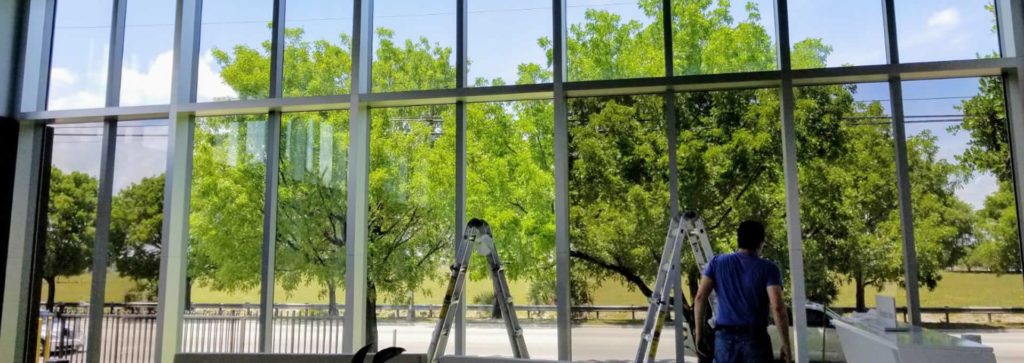
Choosing the right solution for your glass windows can be challenging, especially when you encounter terms like “window tint” and “window film.” While these terms are often used interchangeably, they refer to distinct products with different benefits and applications. In this article, we’ll explore the differences between window tint and window film, helping you make an informed decision for your home or commercial property.
1. What is Window Tint?
Window tint refers to a thin, usually adhesive film applied to glass surfaces. It is primarily designed to reduce the amount of light that passes through the glass. Window tinting is popular in automotive applications but is also used in residential and commercial settings. The main purposes of window tinting include:
- Reducing Glare: By minimizing the amount of light that enters through the windows, window tint reduces glare, improving comfort, especially while driving.
- Blocking UV Rays: Window tints can block up to 99% of harmful UV rays, protecting both the occupants and the interior of the space from damage.
- Enhancing Privacy: Tinted windows make it difficult for outsiders to see inside, offering increased privacy without the need for blinds or curtains.
2. What is Window Film?
Window film is a broader category that encompasses a variety of films applied to glass surfaces, each designed for different purposes. Unlike window tint, which focuses on reducing light and enhancing privacy, window films can serve a multitude of functions, including:
- Security Film: Reinforces glass, making it more resistant to shattering. This type of film is often used in commercial properties and high-risk areas.
- Decorative Film: Adds aesthetic appeal with patterns, colors, or frosted effects, commonly used in interior design.
- Solar Control Film: Reduces heat and glare by reflecting a portion of the sun’s energy, similar to window tint but often with different aesthetic qualities.
- Privacy Film: Similar to window tint but often used in interior spaces like bathrooms or offices where visibility from one side needs to be controlled.
3. Types of Window Tint
Window tint comes in several varieties, each with specific properties and advantages:
- Dyed Window Tint: Uses dye to absorb solar heat and reduce glare. It provides a darker appearance but can fade over time.
- Metalized Window Tint: Contains tiny metallic particles that reflect heat and UV rays. While effective, it may interfere with electronic signals.
- Carbon Window Tint: Offers a matte finish with good heat rejection without the risk of interference with electronic devices.
- Ceramic Window Tint: Incorporates ceramic particles that block UV rays and infrared heat without affecting visibility or electronic signals.
4. Types of Window Film
Window film also comes in various types, each tailored to specific needs:
- Security Film: Thick and durable, this film holds shattered glass in place, preventing injury and deterring break-ins.
- Solar Control Film: Similar to tint but often more transparent, it reflects heat and UV rays while allowing more light to pass through.
- Decorative Film: Available in a wide range of designs and patterns, this film is used to enhance the look of glass partitions, windows, and doors.
- Anti-Graffiti Film: Protects surfaces from vandalism, allowing graffiti to be easily removed without damaging the underlying glass.
5. Performance and Benefits Comparison
When comparing window tint and window film, it’s essential to consider their performance in key areas:
- Heat Rejection: Both window tint and solar control window film offer excellent heat rejection, making interiors more comfortable and energy-efficient. However, specific films may perform better in different conditions.
- UV Protection: Both types can block harmful UV rays, but the degree of protection varies depending on the material used. Ceramic window tint, for example, offers superior UV blocking.
- Glare Reduction: Window tint is generally better at reducing glare due to its darker shade, while some films may be more transparent, balancing glare reduction with visibility.
- Privacy and Aesthetics: Tinted windows are ideal for privacy, especially in vehicles, while decorative window films offer customized privacy solutions with aesthetic appeal.
- Safety and Security: Security window films provide enhanced protection against break-ins and accidents, a feature that standard window tints do not offer.
6. Applications: Where and When to Use Window Tint vs. Window Film
Window tint is most commonly used in:
- Homes: To keep living spaces cooler, protect furniture from UV damage, and increase privacy.
- Offices: For improving energy efficiency and creating a more comfortable working environment.
Window film, on the other hand, has broader applications:
- Commercial Buildings: For security, energy efficiency, and decorative purposes.
- Homes: Where specific needs like shatter resistance or decorative enhancement are required.
- Retail Spaces: To protect against theft and vandalism with security or anti-graffiti films.
- Interior Design: For creating visually appealing glass partitions and adding privacy to specific areas without sacrificing light.
7. Cost and Installation Considerations
The cost of window tint and window film varies widely based on the type and quality of the product. Generally, window tinting is more affordable, especially when using basic dyed or metalized tints. High-performance tints, like ceramic, are more expensive but offer superior benefits.
Window film can range from inexpensive decorative films to high-end security or solar control films, which require professional installation and careful consideration of the glass type and environment.
Installation is a critical factor for both products. While DIY kits are available, professional installation ensures that the film or tint is applied correctly without bubbles or imperfections, maximizing its performance and longevity.
8. Choosing the Right Solution for Your Needs
Deciding between window tint and window film depends on your specific needs, preferences, and budget:
- For Home and Office: Consider what you need most—privacy, security, aesthetic enhancement, or energy efficiency. This will guide whether you choose tint, decorative, security, or solar control film.
- For Commercial Properties: Security film or anti-graffiti film might be more appropriate, depending on the specific challenges your property faces.
Conclusion
Understanding the differences between window tint and window film is essential for making the right choice. While both products offer overlapping benefits, each serves distinct purposes and excels in different scenarios. Whether you’re looking to enhance privacy, protect your property, or simply reduce energy costs, there’s a solution tailored to your needs. At Thermoshield Window Tinting, we specialize in providing top-quality window tinting and film solutions to meet diverse requirements. Explore our services to find the perfect option for your vehicle, home, or business.